
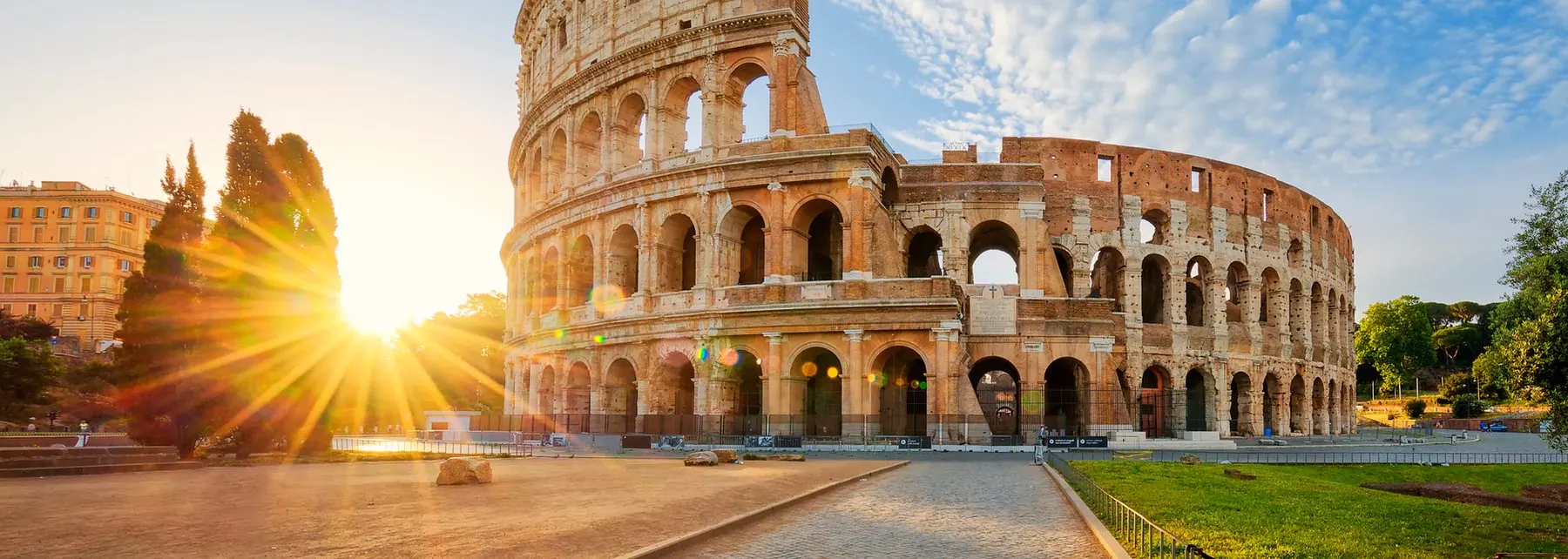
Study in Italy
Everything you need to know about a Masters at an Italian public university: the universities, CIMEA and the Declaration of Value, Universitaly pre-enrolment, income-based fees, DSU scholarships, the student visa, and your first steps after landing.
As a study destination, Italy offers you
- 61 public (state) universities, including the oldest in Europe
- More than 600 Masters programmes taught in English, concentrated in engineering, architecture, design, economics and the sciences
- Tuition set by family income bracket, typically €900 to €4,000 a year, with reduced flat fees for non-EU students at many universities
- Regional DSU scholarships that waive tuition and provide a cash grant, meals and housing to eligible students
- A visa process coordinated through the Universitaly portal
How MastersHelp helps you in Italy
- We find the courses you can really get into, checked on each university's own website
- We start your document checks and stamping in the first week
- We write a separate SOP for each university
- After admission: proof of funds, insurance, visa or permit, a place to stay, and your first internship search
- Help with your education loan
Everything you need to know about Italy
Pick a topic. The details are below, in the same order.
The right university
State universities and their regional scholarship bodies.
The right programme
Over 600 Masters programmes taught in English.
Requirements and verification
CIMEA Statement of Comparability or Declaration of Value, and Universitaly pre-enrolment.
Language requirements
English for English-taught programmes; Italian at B2 for Italian-taught programmes.
Application procedure
University portals, then Universitaly, with an individually written statement of purpose for each university.
Costs of education and living
Income-based tuition, DSU scholarships, living funds and insurance.
Student visa (Type D)
Applied for through VFS in the student's consular district.
First steps in Italy
Residence permit, a place to stay, enrolment and internships.
Step by step
The right university
Italy's state universities include Politecnico di Milano and Politecnico di Torino, Sapienza in Rome, and the universities of Bologna (founded 1088), Padua (1222), Pisa, Florence, Naples and others. Each sets its own fee brackets, flat fees for non-EU students and admission procedures.
Each region also runs a Diritto allo Studio Universitario (DSU) body that funds eligible students at the universities in its territory. The combination of university fee rules and regional DSU rules determines what a student will pay, which is why both are checked for every programme.
The right programme
Italy has more than 600 Masters courses taught in English, mostly in engineering, architecture, design, economics and science. The Universitaly website lists them, but what you actually pay, and whether you can get a regional DSU scholarship, depends on fee rules set by each university and income limits set by each region, and these change every year. Applications can open as early as November and may include a test or interview.
MastersHelp finds the courses you can get into, works out the fees and DSU scholarship rules for each university and region, and confirms each course's dates and process on the university's own website. From all the courses in your field, we narrow down to the five universities with the best chance and the lowest expected cost, and prepare full applications for them.
Requirements and verification
Degree verification. Universities and consulates require the Indian degree to be verified either by a CIMEA Statement of Comparability (€150, or €300 with Verification; up to 60 working days) or by a Declaration of Value (Dichiarazione di Valore) issued by the Italian consulate on an MEA-apostilled degree. MastersHelp confirms which the chosen university requires and coordinates the process from the start.
Universitaly pre-enrolment. After admission, every non-EU student completes a free pre-enrolment on Universitaly: a profile is created, the admitted course linked, documents uploaded, and the university validates the request. The validated summary forms part of the visa file.
Language requirements
English-taught Masters generally require IELTS 6.0 to 6.5. Italian-taught programmes require Italian at level B2 (CILS or CELI). IELTS preparation is included in the service: a 28-day programme of daily live online classes, question sessions with recordings, mock tests and registration guidance. The examination fee (about ₹19,000) is paid to the test provider.
Application procedure
Applications are submitted through each university's own admission portal, usually between November and April. After an offer is accepted, pre-enrolment follows on Universitaly, and the visa application must be lodged by 30 November 2026 for the 2026/27 intake.
The statement of purpose is read by the admissions committee, and a one-page version is read again by the consulate at the visa stage. MastersHelp prepares a separate statement for each of the five shortlisted universities, written individually and reviewed with the student, together with a visa cover letter where required and a European-style CV.
Costs of education and living
Tuition. Public universities charge by family income, documented through an ISEE parificato, typically €900 to €4,000 a year. Many universities apply a reduced flat fee to non-EU students. With a DSU scholarship, tuition is waived.
Living funds. For the visa, students show €10,179.85 for the year in six-month bank statements (their own or a family member's up to the fourth degree) with a source of income. A disbursed education loan visible in the account is accepted.
Insurance. Travel medical insurance with €30,000 cover and a repatriation clause is needed for the visa. After arrival, students choose between voluntary SSN registration (€700 a year) and private cover. The residence permit (permesso di soggiorno) costs about €116.
Typical outlay on arrival: deposit for a place to stay about ₹50,000; flight and initial purchases about ₹1.5 lakh.
Student visa (Type D)
The visa file includes the admission letter, the validated Universitaly pre-enrolment summary, CIMEA or Declaration of Value, proof of funds, insurance, proof of a place to stay for the first 30 days and the consulate's document checklist. Appointments are booked through VFS in Delhi, Mumbai, Bengaluru or Kolkata according to residence. The visa fee is €50 plus the VFS charge (about ₹6,000 in total). Processing may take up to 90 days, and applications for the 2026/27 intake close on 30 November 2026.
MastersHelp prepares the file, books the appointment and conducts a mock interview.
First steps in Italy
Residence permit. Within eight working days of arrival the student submits the permesso di soggiorno kit at a post office and attends a fingerprint appointment at the Questura.
Place to stay. DSU residences are allocated with the scholarship; MastersHelp also searches through its alumni network and verified providers and assists with the 30-day proof of a place to stay required for the visa.
Enrolment and internships. Enrolment (immatricolazione) follows arrival. MastersHelp gives an initial internship search with Italian companies in the student's field, application guidance and CV tailoring.
Frequently asked questions
What is the DSU scholarship?
A regional award for students below set ISEE and ISPE thresholds: tuition waived, up to €7,171 a year, free meals and often a residence place. Indian students apply with an ISEE parificato from a CAF office.
CIMEA or Declaration of Value?
It depends on the university. Most accept the CIMEA Statement of Comparability; some still require a Declaration of Value from the consulate. MastersHelp checks per university and starts the process early, as it can take 60 working days.
What is Universitaly pre-enrolment?
A free, mandatory step after admission on the Ministry's portal, validated by the university and included in the visa file.
When is the visa deadline?
Applications for the 2026/27 intake close on 30 November 2026, through VFS in the student's consular district.
How much must be shown as living funds?
€10,179.85 for the year, in six-month statements with a source of income. A disbursed loan visible in the account is accepted.
Free profile evaluation for Italy
Send us your marksheets and a few details. We will tell you which Italian public universities are realistic for you. Free, no obligation.
Check your profile- Share your marksheets and detailsThrough the form or by email.
- We check your profileWithin one working day we tell you which Italian public universities are realistic for you.
- You decideIf you go ahead, we start your documents and IELTS coaching right away.